Scrambled Eggs
Scrambled eggs are one of the most fundamental and widely loved dishes in the world, yet mastering them to perfection is an art. While they may appear simple, achieving soft, creamy, and flavorful scrambled eggs requires attention to technique, timing, and heat control. When done right, scrambled eggs transform from a basic breakfast staple into a dish that feels rich, comforting, and deeply satisfying.
What makes scrambled eggs so special is their versatility. They can be prepared quickly for a simple meal or elevated with additional ingredients like herbs, cheese, or vegetables. Whether served on toast, alongside breakfast favorites, or enjoyed on their own, scrambled eggs provide a warm and nourishing start to the day.
⏱ Preparation Details
Preparation Time: 5 minutes
Cooking Time: 5–7 minutes
Servings: 1–2
🧾
Ingredients
- Main Ingredients:
- 3 eggs
- 1 tablespoon butter or oil
- Salt and black pepper to taste
- Optional Add-ons:
- 2 tablespoons milk or cream (for creaminess)
- Cheese (grated)
- Fresh herbs (parsley, chives)
- �
Instructions
- Start by cracking the eggs into a bowl. Add a pinch of salt and black pepper. If you prefer creamier eggs, add milk or cream at this stage.
- Whisk the mixture thoroughly until the yolks and whites are fully combined. The more evenly mixed the eggs are, the better the final texture will be.
- Heat a non-stick pan over low to medium heat and add butter. Allow it to melt gently without browning.
- Pour the egg mixture into the pan. Let it sit for a few seconds, then begin to stir slowly using a spatula.
- Continue stirring gently, moving the eggs from the edges toward the center. This creates soft curds and prevents overcooking.
- Cook the eggs slowly, removing them from heat just before they are fully set. The residual heat will finish cooking them.
- If using cheese or herbs, add them just before removing from heat.
- Serve immediately.
- Pro
Tips for Best Results
- Cook on low heat for creamy texture
- Do not overcook—eggs continue cooking after removal
- Stir gently for soft curds
- Use butter for richer flavor
- Remove from heat early
- 🥗 Health Benefits
- Eggs are an excellent source of high-quality protein and essential nutrients such as vitamins B12 and D. They support muscle health, brain function, and overall energy levels. Using minimal oil keeps the dish light and nutritious.
- Taste & Texture
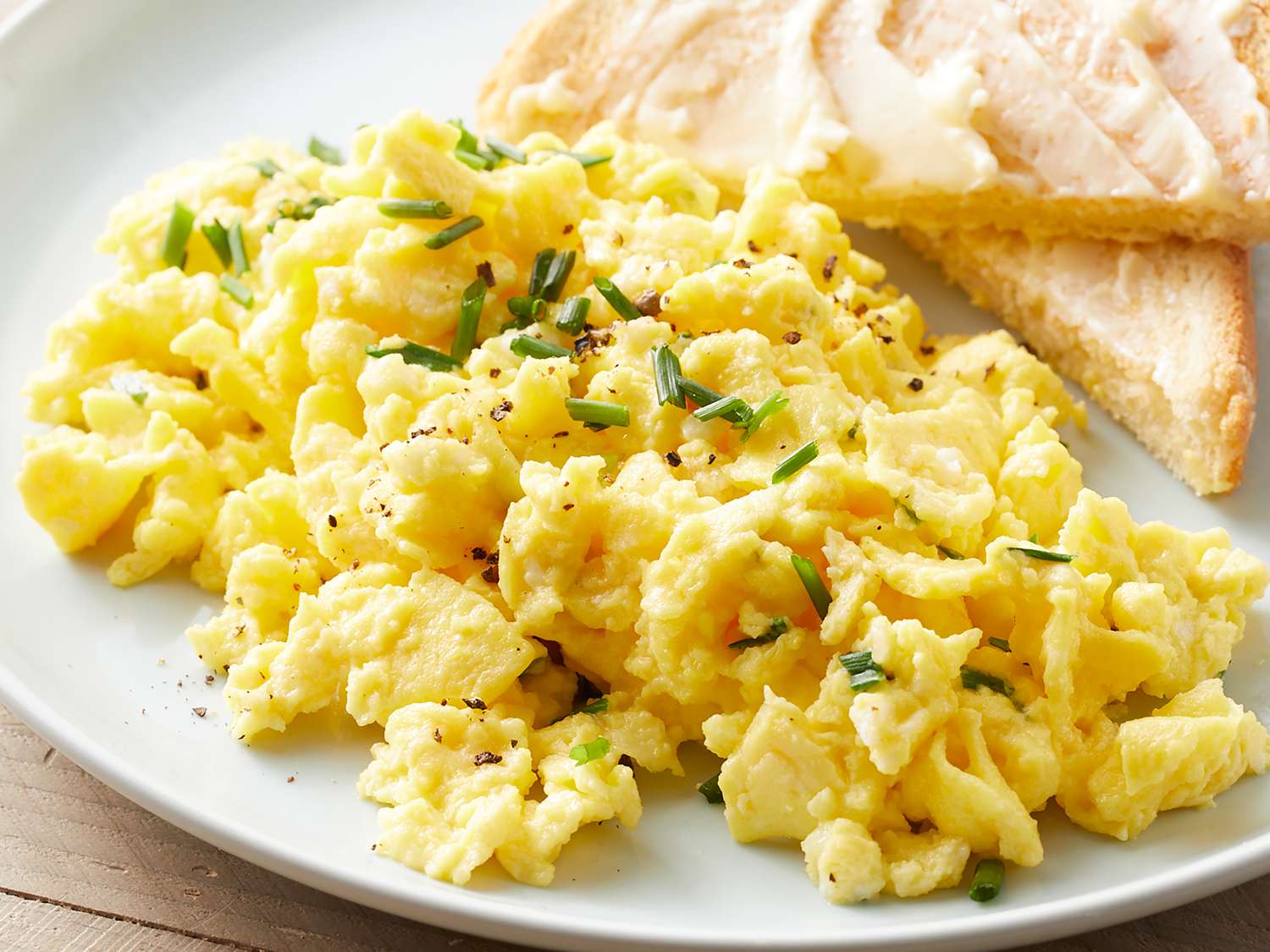
- Scrambled eggs are soft, creamy, and slightly fluffy. The texture should be smooth and moist, with a rich, buttery flavor that is both comforting and satisfying.
Serving Suggestions
Serve scrambled eggs with toast, avocado, or fresh vegetables. They also pair well with breakfast sides like pancakes or fruit bowls.